Flywire: Powering Innovation and Fintech Careers
09 Oct, 2026


Insights from Arielle Nagar, specialist tech recruiter at Montreal Associates, working with ...

Insights from Arielle Nagar, specialist tech recruiter at Montreal Associates, working with software engineers, cloud professionals, infrastructure specialists, DevOps engineers, and digital talent across the tech market.
AI is becoming a huge part of the tech job search process.
And honestly, I think a lot of candidates are still unsure how to approach it.
Some people are avoiding it completely. Others are relying on it too heavily.
The candidates I see getting the best results are usually somewhere in the middle.
They are not using AI to completely automate their job search.
They are using it strategically.
They are using it to:
And most importantly, they are using it to show up as the best version of themselves throughout the hiring process.
So in this guide, I wanted to share some of the best ways I think tech professionals can use AI during a job search.
One of the easiest and most effective ways to use AI during a job search is for resume optimisation.
A lot of candidates struggle with translating their experience clearly.
They know what they have done technically, but they are not always positioning it in the strongest possible way.
AI can really help with that.
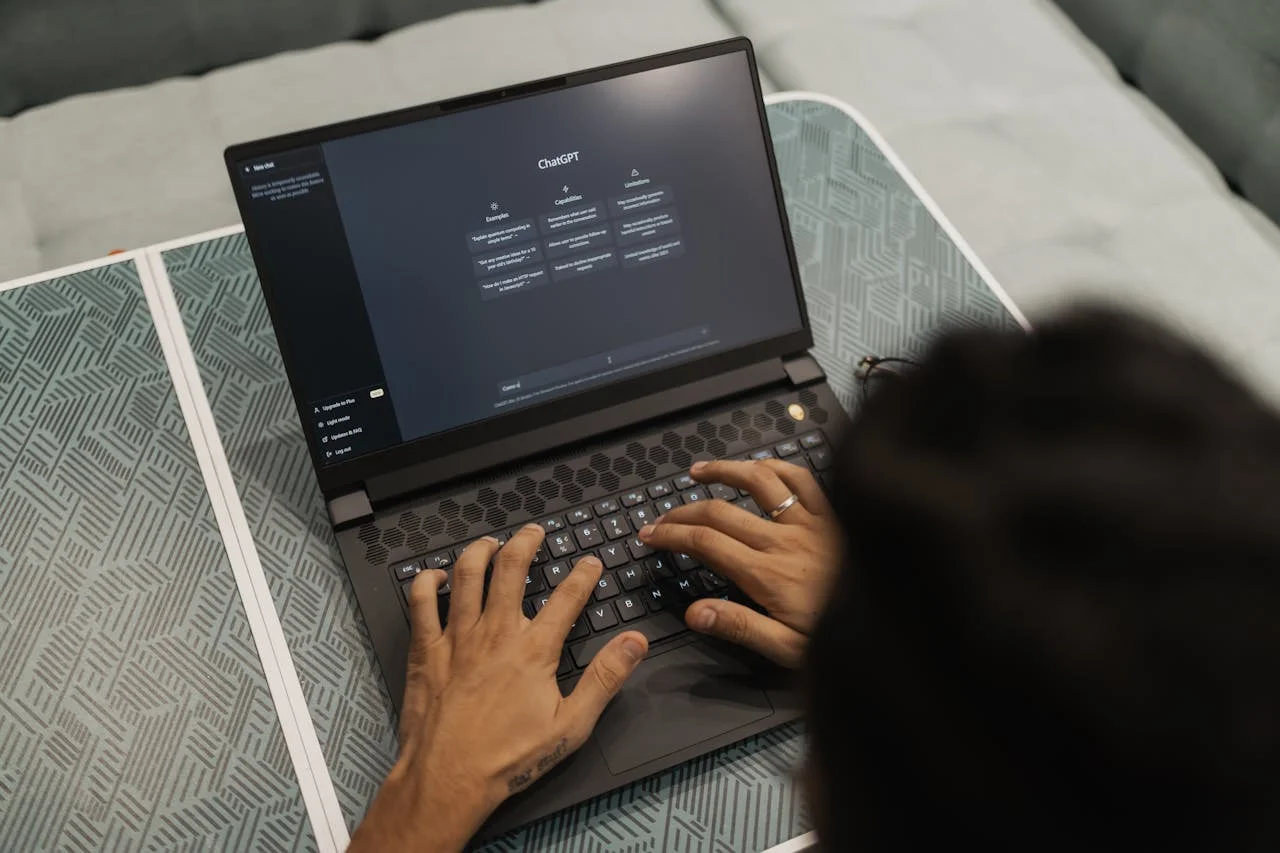
For example, you can paste a job description into ChatGPT and ask it to:
This can help you tailor your resume much faster.
I think this is especially valuable for candidates moving into adjacent roles or repositioning themselves within tech.
For example, if you are moving from backend engineering into cloud infrastructure or project management, AI can help identify overlapping skills and suggest how to communicate them more effectively.
That said, AI should support your resume, not completely write it for you.
Recruiters can usually tell when resumes feel overly generic or disconnected from real experience.
The strongest resumes still sound authentic and specific to the candidate.
If you want help improving your overall structure first, you can also read our guide on how to write a resume for tech roles.
And if you are struggling to get responses despite applying consistently, I’d also recommend reading my guide on why tech resumes don’t get responses and how ATS systems filter applications.
A lot of candidates feel stuck because they think their current role defines their future career options.
But there are actually many adjacent paths within tech.
AI can be a really useful tool for exploring those possibilities.
For example, you can ask questions like:
AI can help surface possibilities you may not have considered before.
And once you understand those overlaps, you can start tailoring your resume and positioning yourself more strategically.
One thing I think candidates need to understand is that AI is becoming part of modern workflows across tech.
That does not mean companies are replacing developers entirely.
But it does mean companies increasingly value candidates who understand how to use AI tools effectively.
For example:
The goal is not to avoid AI.
The goal is to learn how to use it well.
Because in most cases, candidates are not competing against AI itself.
They are competing against candidates who already know how to work alongside it.
And when candidates can confidently speak about how they use AI during interviews, it often demonstrates:
Those are all valuable qualities in today’s hiring market.
Honestly, I think this is one of the best uses of AI during a job search.
A lot of candidates know their material technically, but struggle with confidence, communication, or interview nerves.
AI can really help bridge that gap.
You can ask AI tools to generate common behavioural interview questions for your specific role.
For example:
Then you can practise your responses out loud.
That part matters a lot.
When you hear yourself say answers out loud before an interview, it becomes much easier to communicate naturally during the real conversation.
You feel more prepared, you feel more confident, and your answers usually become clearer and more concise.
You can also ask AI to roleplay interviews with you.
For example:
“Act as a hiring manager interviewing a senior cloud engineer and ask me technical and behavioural questions one at a time.”
That allows you to practise realistic interview scenarios before the actual interview takes place.
It is a great way to:
AI can also help candidates prepare for interviews by researching:
This makes it easier to walk into interviews feeling informed and prepared.
I think one of the biggest misconceptions about AI is that people see it purely as an automation tool.
But one of the best uses of AI is helping candidates communicate themselves more effectively.
A lot of brilliant technical professionals struggle with:
AI can help organise thoughts, refine wording, and improve clarity.
And when candidates feel more prepared, they usually perform much better.
That confidence makes a huge difference during interviews.
One thing I always encourage candidates to remember is that AI should support your job search, not replace your personality, communication style, or authenticity.
The strongest candidates still sound human.
They still bring their own experiences, achievements, and perspectives into conversations.
AI is simply helping them present those things more clearly and confidently.
And honestly, that is probably the healthiest way to approach it.
Use AI as a tool. Use it to improve. Use it to prepare. Use it to build confidence.
But do not lose your individuality in the process.
Because at the end of the day, companies are still hiring people.