Employee vs Independent Contractor in Canada
02 Sept, 2026

At MA, we love showcasing the companies pushing boundaries and shaping the future of technol...

At MA, we love showcasing the companies pushing boundaries and shaping the future of technology. Our Company Spotlight series takes a closer look at the businesses, ideas and innovations making an impact across the markets we work in.
Building technology for space is difficult. Building technology designed to operate reliably thousands of miles above Earth, surrounded by radiation and beyond the reach of a quick repair, takes that challenge to another level.
That's exactly the environment Astranis is building for.
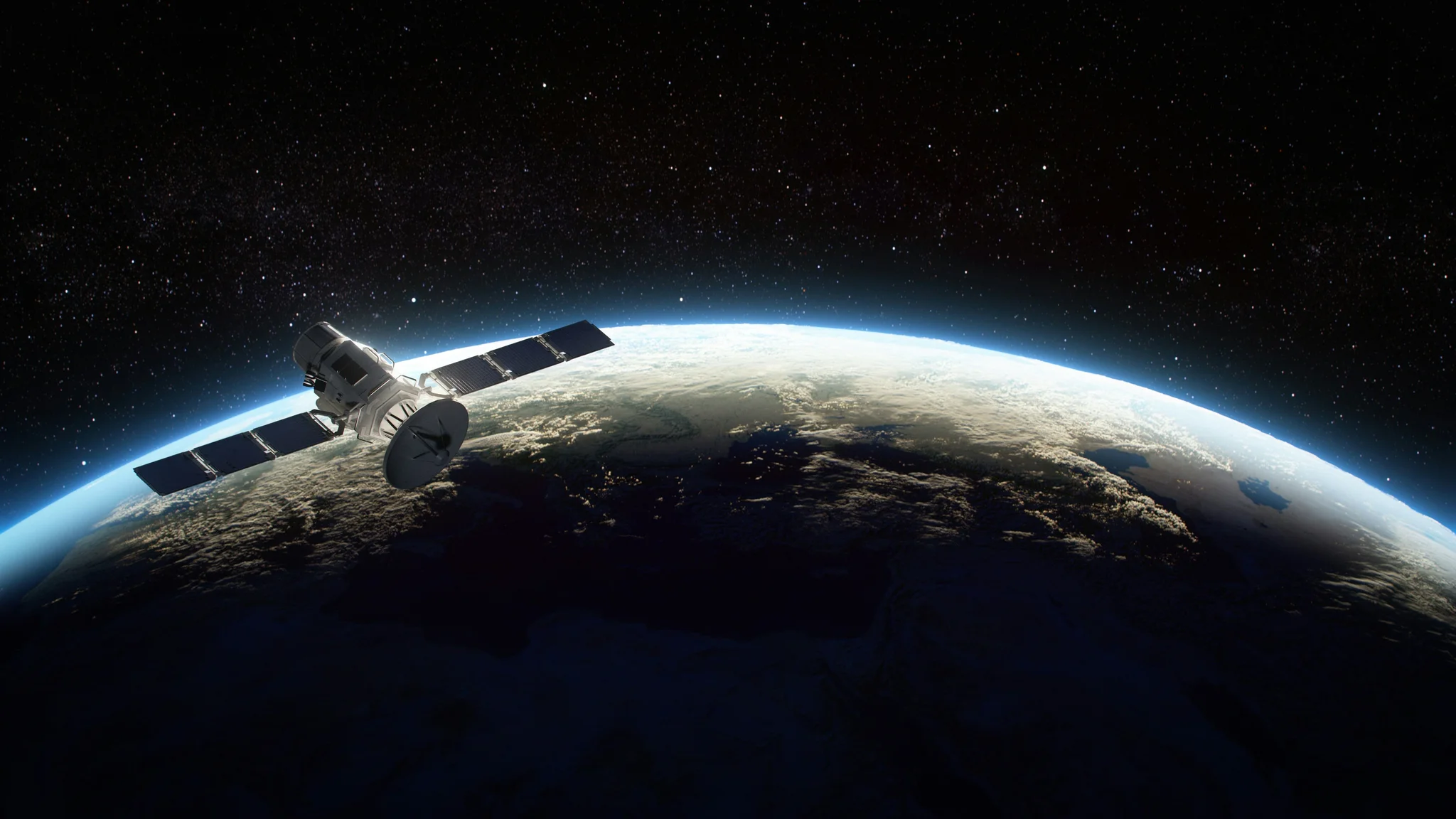
Founded in San Francisco in 2015, Astranis has developed a new class of smaller, powerful satellites designed for geostationary orbit (GEO). Its technology brings together aerospace engineering, advanced electronics, embedded software, propulsion and digital processing to rethink what satellites operating in high orbit can look like.
With five satellites already in orbit, more than $1 billion in commercial contracts and major investment behind its next stage of growth, Astranis isn't only developing interesting technology. It's also building the specialist engineering teams needed to take it further.
For decades, satellites designed for geostationary orbit have typically been enormous, expensive pieces of infrastructure that can take years to develop.
Astranis took a different approach.
Its MicroGEO platform is designed to provide the capabilities of a traditional GEO communications satellite from a significantly smaller spacecraft. From high above Earth, a single satellite can remain continuously positioned over the same region, providing customers with dedicated infrastructure around the clock.
Making that possible requires solving some extraordinary engineering problems.
Beyond Low Earth Orbit, radiation can damage conventional computer hardware in a matter of days or even hours. Satellites also need sophisticated propulsion, power, communications and navigation technology to reach high orbit and continue operating reliably once they get there.
Astranis has built its spacecraft specifically around those conditions, developing radiation-tolerant electronics and combining them with software-defined radio, digital processing and onboard propulsion.
It's also why the talent behind the technology is so specialised. Developing spacecraft for these environments brings together expertise across avionics, FPGA engineering, power electronics, mechanical engineering, radiation effects, reliability and embedded software, with multiple disciplines needed to solve problems that simply don't exist in most engineering environments.
Astranis initially developed MicroGEO to tackle another major challenge: connectivity.
Businesses, governments and communities increasingly depend on reliable digital networks, but terrestrial infrastructure isn't practical everywhere. Remote locations, islands and geographically challenging regions can be particularly difficult to connect.
Astranis' model gives customers dedicated satellite capacity rather than requiring them to share infrastructure across a much larger network.
The company now has more than ten satellites under contract for customers around the world, representing more than $1 billion in satellite services.
Behind those networks are teams spanning far more than traditional aerospace roles. Flight software engineers develop the systems responsible for operating spacecraft in orbit. Network software specialists work on communications infrastructure. Product security engineers help protect critical systems, while satellite operators manage spacecraft once they leave the ground.
It's a good example of why modern space technology jobs increasingly sit at the intersection of aerospace, software, telecommunications and cybersecurity.
What makes Astranis particularly interesting is that communications appear to be only the beginning.
The company is now applying its MicroGEO platform to wider challenges in high orbit, including technology designed to strengthen GPS resilience. In August 2026, Astranis also unveiled Perceptor, expanding into space domain awareness and manoeuvrability.
Built on the same MicroGEO platform already operating in space, Perceptor is designed to observe activity in high orbit and reposition in response to changing conditions.
It's an interesting example of how one satellite platform can evolve across communications, navigation and space infrastructure. It also demonstrates the specialist expertise behind that technology, bringing together flight software, electronics, propulsion, sensors, testing and spacecraft reliability.
For professionals exploring aerospace engineering jobs or satellite engineering jobs, developments like these show just how varied and technically complex careers within modern aerospace are becoming.
Astranis now has significant investment behind those ambitions.
In May 2026, the company announced $450 million in new capital, including a $300 million Series E, bringing its total funding to more than $1.2 billion.
Today, Astranis has:
Astranis designs, manufactures, tests and operates its satellites from a 153,000 sq. ft. headquarters at Historic Pier 70 in Northern California.
That vertical approach is particularly interesting from a hiring perspective.
The company isn't simply designing satellites and handing production elsewhere. Its teams are involved across hardware design, software, testing, manufacturing, supply chain and spacecraft operations, creating demand for specialist talent across almost every stage of the satellite lifecycle.
Astranis' technology highlights just how much the definition of an aerospace career has expanded.
Building a modern satellite requires expertise far beyond traditional aerospace engineering. Mechanical engineering, electronics, embedded software, cybersecurity, telecommunications, manufacturing and testing can all play a part in taking a spacecraft from concept to something capable of operating thousands of miles above Earth.
The challenges can be incredibly specialised. Radiation effects engineers develop technology capable of surviving beyond Low Earth Orbit, while flight and embedded software engineers create the systems that control spacecraft. Avionics, electrical and mechanical specialists bring together the physical systems needed to survive launch and operate reliably in space.
Software is becoming equally important. Embedded systems control hardware, flight software manages spacecraft operations and network technology connects Earth with orbit, while cybersecurity helps protect increasingly critical space infrastructure.
It's why aerospace engineering jobs increasingly overlap with software engineering jobs, cybersecurity and other areas of advanced technology. Professionals don't necessarily need to begin their careers in aerospace either. Experience across software, electronics, telecommunications, mechanical engineering and advanced manufacturing can all have applications within the sector.
For those exploring space technology jobs or satellite engineering jobs, companies like Astranis demonstrate just how broad the opportunities across modern aerospace are becoming.
Astranis is interesting because it's not simply building another satellite. It's challenging assumptions about how high-orbit satellites should be designed and demonstrating what becomes possible when aerospace engineering, software and advanced manufacturing come together.
It's also a strong example of how careers across the sector are changing.
As space technology becomes increasingly software-driven and commercial investment continues to grow, the skills needed across aerospace are broadening. Software engineers, cybersecurity specialists, electronics engineers, manufacturing experts and other technology professionals are increasingly contributing alongside traditional aerospace specialists.
Companies like Astranis are exactly why we created our Company Spotlight series. They give us a window into where technology is heading, the problems engineers are being asked to solve, and the specialist skills likely to shape the next generation of technology careers.
At MA, we're immersed in the technology markets we recruit across, speaking with businesses and professionals working across software, engineering and emerging technology. Whether you're building a specialist team or exploring where your skills could take you next, we're here to help you navigate what's next.